
As the world increasingly turns its focus to sustainability, the construction industry is evolving to meet the demands of environmentally conscious consumers. This article explores the advantages of farmhouses built with Lida Group steel structures, delving into their design, environmental impact, and the future of sustainable living.
The Rise of Sustainable Living
Sustainable living refers to a lifestyle that seeks to reduce an individual’s or society’s use of the Earth’s natural resources. It encompasses various practices, from energy conservation and waste reduction to sustainable agriculture and eco-friendly building materials. As awareness of climate change and environmental degradation grows, more people are seeking ways to live sustainably. One of the most significant ways to achieve this is through the construction of eco-friendly homes that minimize environmental impact.
The Role of Steel in Sustainable Construction
Steel is increasingly recognized as a sustainable building material due to its strength, durability, and recyclability. Unlike traditional materials like wood, which can contribute to deforestation, steel can be sourced from recycled materials and is 100% recyclable at the end of its life cycle. This makes it an ideal choice for sustainable construction, including farmhouses.
Lida Group: Pioneers in Steel Structures
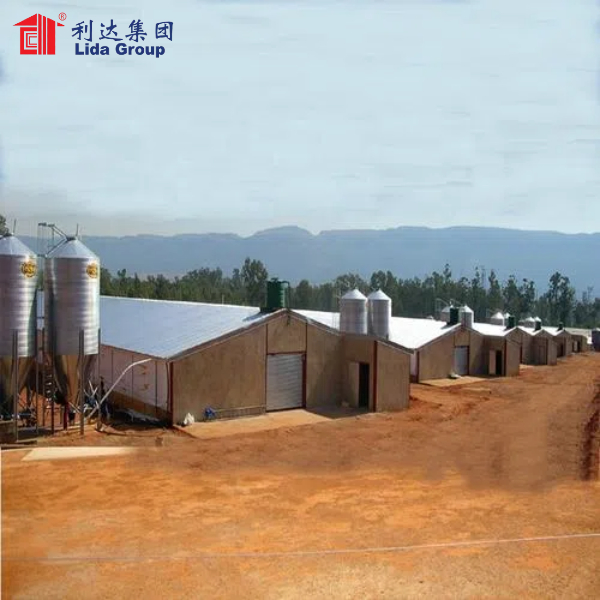
Lida Group has established itself as a pioneer in the field of steel construction. With a commitment to quality and sustainability, the company specializes in prefabricated steel structures that offer a range of benefits. Their farmhouses are designed to be energy-efficient, environmentally friendly, and customizable to meet the specific needs of farmers and homeowners alike.
Key Features of Lida Group Steel Farmhouses
- Durability and Longevity: Steel structures are resistant to pests, rot, and severe weather conditions, ensuring that farmhouses last longer than traditional wooden homes.
- Energy Efficiency: Lida Group incorporates advanced insulation techniques in their designs, significantly reducing energy consumption for heating and cooling.
- Customizable Designs: Each farmhouse can be tailored to suit the specific needs of the owner, whether that involves expanding living spaces, incorporating sustainable technology, or adapting to specific agricultural needs.
- Rapid Construction: The prefabricated nature of Lida Group’s steel structures allows for quick assembly on-site, reducing labor costs and construction time.
- Eco-Friendly Materials: Lida Group prioritizes the use of sustainable materials in their construction process, from recycled steel to environmentally friendly finishes.
The Benefits of Steel Farmhouses
1. Environmental Impact
Building with steel significantly reduces the carbon footprint of a construction project. Steel is a highly sustainable material that can be recycled and repurposed. By choosing Lida Group steel farmhouses, homeowners contribute to a circular economy that minimizes waste and conserves natural resources.
Sustainable Sourcing
Lida Group sources its steel from reputable suppliers who adhere to sustainable practices. This ensures that the materials used in construction have a reduced environmental impact, from extraction to fabrication.
2. Resilience to Climate Extremes
As climate change leads to more frequent and severe weather events, the durability of steel structures becomes increasingly important. Lida Group farmhouses are designed to withstand harsh weather conditions, including heavy winds, floods, and snow loads. This resilience not only protects the structure but also ensures the safety of its occupants.
3. Lower Maintenance Costs
Steel farmhouses require less maintenance than traditional wooden homes. They are resistant to common issues such as termites, mold, and rot. This durability translates to lower long-term maintenance costs, allowing homeowners to invest resources elsewhere, such as in sustainable farming practices.
4. Energy Efficiency
Energy efficiency is a critical component of sustainable living. Lida Group integrates energy-efficient designs into their steel farmhouses, including high-quality insulation, energy-efficient windows, and HVAC systems. These features help reduce energy consumption, leading to lower utility bills and a smaller environmental footprint.
Renewable Energy Integration
Many Lida Group farmhouses can be designed to accommodate renewable energy systems, such as solar panels or wind turbines. By harnessing renewable energy, homeowners can further reduce their reliance on fossil fuels, contributing to a more sustainable lifestyle.
5. Customizable Living Spaces
Every farm has unique requirements, and Lida Group recognizes this by offering customizable designs. Homeowners can adjust layouts, incorporate additional rooms, or design spaces that cater to specific agricultural needs, such as storage for equipment or livestock.
Multi-Functional Spaces
The versatility of steel structures allows homeowners to create multi-functional spaces that can serve as living areas, workspaces, or storage areas. This adaptability is essential for modern farmers who need to maximize their available space.
Case Studies: Successful Lida Group Farmhouses
1. The Eco-Friendly Poultry Farm
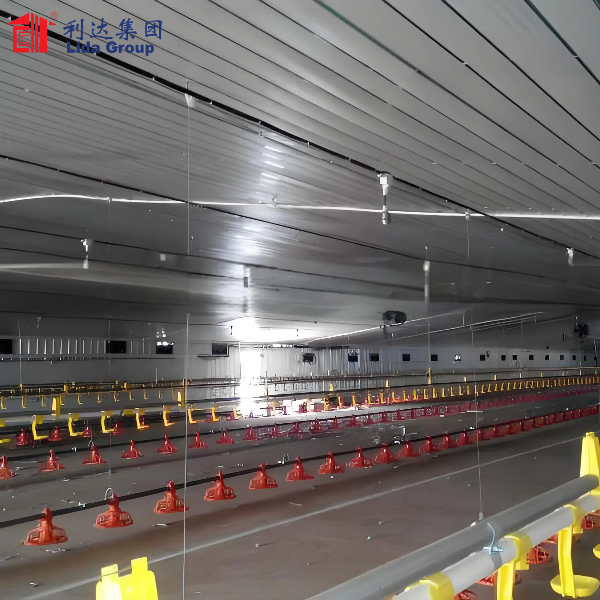
This poultry farm showcases how Lida Group steel structures can be utilized for both housing and agricultural facilities. The farmhouse, designed with modern aesthetics, includes a breeding hall and storage areas for feed. The steel construction ensures durability and easy maintenance, while the energy-efficient design helps reduce operational costs.
2. The Sustainable Homestead
Emphasizing self-sufficiency, the Sustainable Homestead is a model for eco-friendly living. The farmhouse incorporates rainwater harvesting systems, composting toilets, and a greenhouse made from steel. This innovative design not only provides a comfortable living space but also supports sustainable agricultural practices.
Overcoming Challenges in Sustainable Construction
While the advantages of Lida Group steel farmhouses are clear, there are challenges to consider in sustainable construction. Addressing these challenges requires innovative thinking and a commitment to sustainable practices.
1. Initial Costs
One of the primary barriers to adopting steel construction can be the initial costs. While steel structures may have higher upfront costs compared to traditional materials, their long-term durability and lower maintenance requirements often lead to significant savings over time.
2. Perceptions of Steel Structures
Some consumers may have preconceived notions about the aesthetics and comfort of steel buildings. Lida Group addresses these perceptions by offering customizable designs that emphasize aesthetics, ensuring that steel farmhouses can be both functional and visually appealing.
3. Regulatory Hurdles
Building codes and regulations can pose challenges for innovative construction methods. Lida Group works closely with local authorities to navigate these regulations, ensuring that their steel structures comply with all necessary codes while still providing sustainable solutions.
The Future of Sustainable Farmhouses
As the demand for sustainable housing continues to grow, the future of farmhouses built with Lida Group steel structures looks promising. Several trends are shaping this future:
1. Increased Adoption of Smart Technologies
The integration of smart home technologies will become more prevalent in steel farmhouses. From automated climate control systems to smart irrigation solutions, these technologies will enhance the efficiency and sustainability of living on a farm.
2. Emphasis on Community Living
As more individuals seek sustainable lifestyles, community-oriented designs may become popular. Lida Group could explore the development of clustered steel farmhouses that promote community living, shared resources, and cooperative farming practices.
3. Continued Innovation in Sustainable Materials
The construction industry is continuously evolving, with new sustainable materials and practices emerging. Lida Group is likely to stay at the forefront of this innovation, incorporating new technologies and materials into their designs to enhance sustainability.
Conclusion
Lida Group’s steel farmhouses represent a significant step towards sustainable living. By combining durability, energy efficiency, and customizable designs, these structures provide an ideal solution for modern farmers and homeowners seeking to minimize their environmental impact. As the world increasingly prioritizes sustainability, the appeal of steel farmhouses will continue to grow, shaping the future of eco-friendly housing.
With a commitment to quality and sustainability, Lida Group is poised to lead the way in the construction of innovative, environmentally friendly farmhouses. By choosing steel structures, homeowners not only invest in a durable and efficient living solution but also contribute to a more sustainable future for generations to come.
Contact Us
Post time: Sep-26-2024